CyberFreezeDev
- Home
- Blog
- How-to guides
- Hiring a mobile app developer in Chennai
Hiring a mobile app developer in Chennai
Before you hire a mobile app developer in Chennai, ask who will use the app, where its data goes and who will own it. Here are the questions, the store rules that set part of the timeline, and the things that drive the cost.

Before you hire a mobile app developer in Chennai, ask who will use the app, where its data goes, who will own the code and store accounts, and how the app behaves without signal. How long it takes and what it costs depend on the same few things: the screens and user roles, the backend, offline sync, integrations, and the waits Google Play and Apple build into every release.
This guide is for owners and operations heads commissioning an app for staff or customers.
Start with the job, not the app
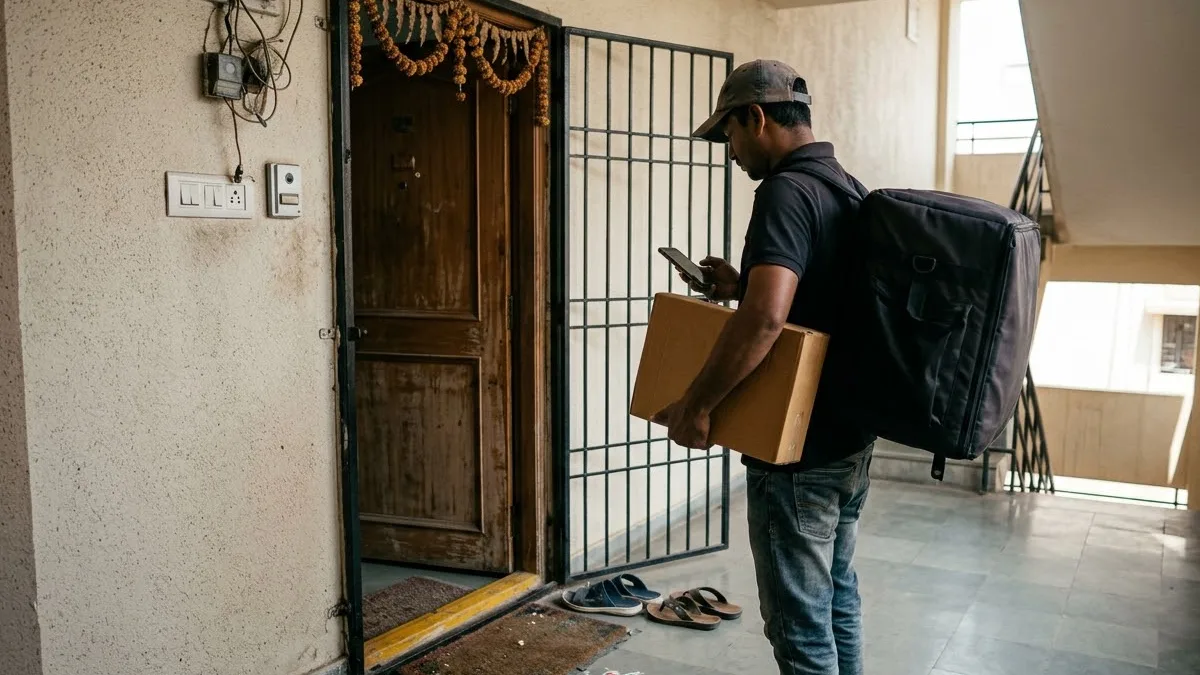
Most business apps are tools: a sales rep's order app, a technician's job card, a driver's proof of delivery photo, a patient's appointment booking. Each is only as useful as what happens to the data next: the order has to reach the warehouse, the job card has to reach billing.
So the first conversation should be about the flow, not the screens: who uses the app, on which phones, in which conditions, and which record each tap creates. A good developer will ask to see the register, the WhatsApp group where orders arrive, or the spreadsheet someone retypes every evening.
Questions to ask a mobile app developer
- Who will we actually work with? Meet the engineers who will build it, and ask whether any part is subcontracted.
- Cross-platform or native, and why? Flutter and React Native give you Android and iOS from one codebase. Native Kotlin or Swift is worth it for heavy on-device processing or deep platform features.
- What does the backend look like? The app needs logins, an API and a database. Ask who builds and hosts them, and how they reach your CRM, Razorpay or Tally.
- What happens offline? Ask how data syncs when signal returns, and what happens when two people edit the same record.
- Who owns the app in the stores? Your own Google Play and Apple developer accounts, with the source code and signing keys in your name.
- How will we test it? Look for test builds on real users' phones every couple of weeks, through Google Play internal testing and Apple TestFlight.
- What happens after release? Agree crash reporting, yearly OS update testing and the terms for fixes before launch.
How long it takes
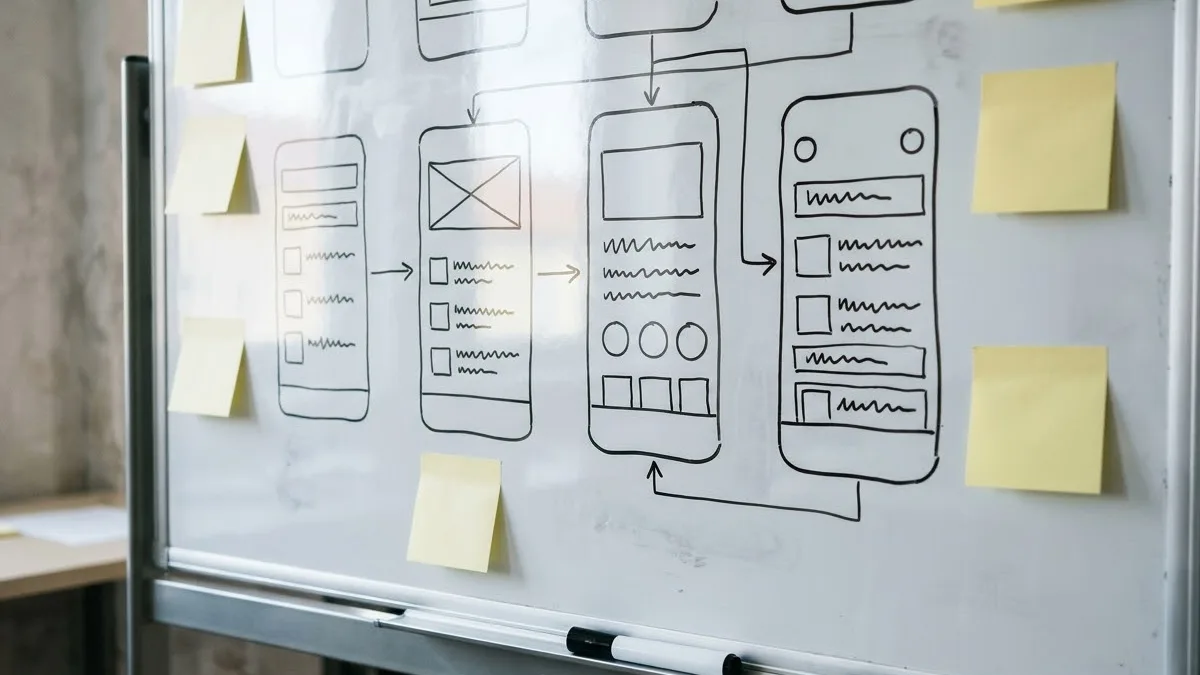
Timelines depend on scope, so be wary of a fixed number before anyone has seen your process. The work runs in phases: time with the people who will use the app, a clickable prototype they tap through on their own phones, short build cycles, store release, then support. A change at the prototype stage costs hours; after the build it costs weeks.
Two parts of the schedule are set by the stores, not by the developer:
- Google Play closed testing. A personal developer account created after 13 November 2023 must run a closed test with at least 12 testers, opted in continuously for at least 14 days, before the app can reach production.
- Apple App Review. Apple reviews every iOS release and says it typically reviews at least 50% of submissions in under 24 hours and 90% in under 48 hours. Apps with a login must include a demo account.
Google Play also raises its target API level each year: from 31 August 2026, new apps and updates must target Android 16 (API level 36). An app nobody maintains soon cannot ship even a small fix.
What drives the cost
We do not publish prices. These are what move any quote:
- Screens and roles. Every screen is designed, built and tested. One type of user is less work than reps, managers and admins who each see different things.
- The backend. Logins, an API, a database and admin screens are real work. Reusing a backend you already run can cost less.
- Offline sync. Local storage, a sync queue and conflict rules. Worth it for field teams, wasted on a desk tool.
- Device features. Camera, GPS check-in, barcode scanning, signatures and push notifications each add build and test time.
- Integrations. Each connection to a CRM, Razorpay, WhatsApp or Tally needs its own error handling.
- Store and privacy work. Google Play needs a Data safety form and Apple needs privacy details covering any third-party SDKs. If users can create an account, both require in-app account deletion, and Google also wants a web link for it. Personal data also falls under India's DPDP Act 2023.
- Support after launch. OS updates, crash fixes and the yearly API change.
When an app is the wrong answer
If users sit at a desk or open the tool once a month, a responsive web app is cheaper to build and update, with no store review. If customers will not install another app, a WhatsApp flow can take bookings and simple orders in an app they already use.
How we work on app projects in Chennai
Our mobile app development work covers Android and iOS apps for field teams, customers and operations, usually in Flutter or React Native, connected to the systems behind them. Our engineers work from our lab in Ayapakkam, so Chennai clients can meet us in person, and we watch the people who will use the app at work before we draw a screen. It ships under your developer accounts, with the code and signing keys in your name.
FAQ
Do we need an iOS app as well as Android? For an internal team that all carry Android phones, Android alone can be enough to start. Customer apps usually need both, and a cross-platform codebase makes adding iOS later a smaller job.
Can a new developer take over an app someone else built? Usually. Start with a review of the code, dependencies and store accounts, then decide whether to maintain it or rebuild parts. Make sure you hold the signing keys and store logins first.
How do we get an accurate quote? Write down the users, the jobs, the systems it connects to and whether it must work offline. A developer can then scope it in writing, with a schedule that includes the store waits.
Tell us the job your app must do and we will scope it with you in writing. Book a consultation.