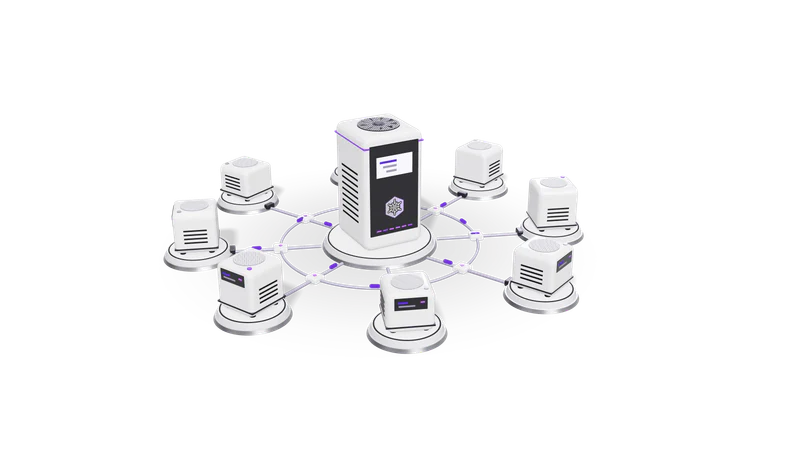
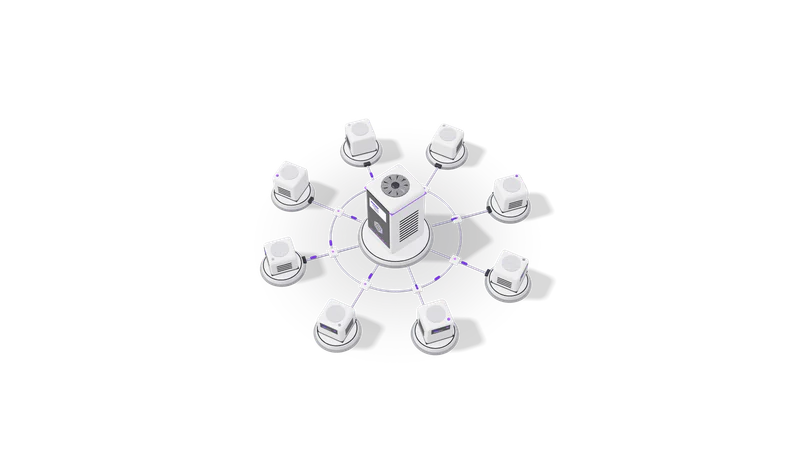
A chatbot answers questions. An AI agent does work. It is a language model given a goal, a set of tools it is allowed to call (search the CRM, read an invoice, create a task, draft an email) and a loop: look at the situation, pick a tool, read the result, decide again, stop when the goal is met or a person is needed.
That loop is what makes AI agent development different from building a prompt. The hard parts are not the model. They are deciding which tools the agent may touch, what it may do alone and what it must hand to a person, how it recovers when an API returns an error, and how you see afterwards exactly what it did and why.
We build agents the same way we build them for our own products. In Fint an agent reads bills and bank lines and proposes expenses, deposits and draft invoices, but nothing reaches the books until a person confirms it in an Inbox. In Desk an AI assistant can be handed tasks inside the CRM and project tracker. Inside our own engineering work we run agent-talk, a mailbox that lets agents working in different projects message each other, which we write about in multi-agent systems.
If you are unsure whether you need an agent or a chatbot, start with chatbot vs AI agent, and if a fixed workflow might do, read AI agent vs workflow automation. The broader idea is explained under agentic AI.
 CyberFreezeDev