On the shop floor, quality checks are done by eye at the end of the line. A defect that started at 10 a.m. is found at 4 p.m., after a whole shift of parts. Machine stoppages are written in a register, if at all, so nobody can say which machine loses the most hours or why. Supervisors send the day's production numbers as a WhatsApp message that someone types into a spreadsheet the next morning.
In the stores and accounts office the problem is paper. Each supplier delivery comes with a challan and an invoice that must be checked against the purchase order and the goods received note before it is paid. Done by hand, that three-way match is slow, so either suppliers are paid late or invoices are paid without being checked properly.
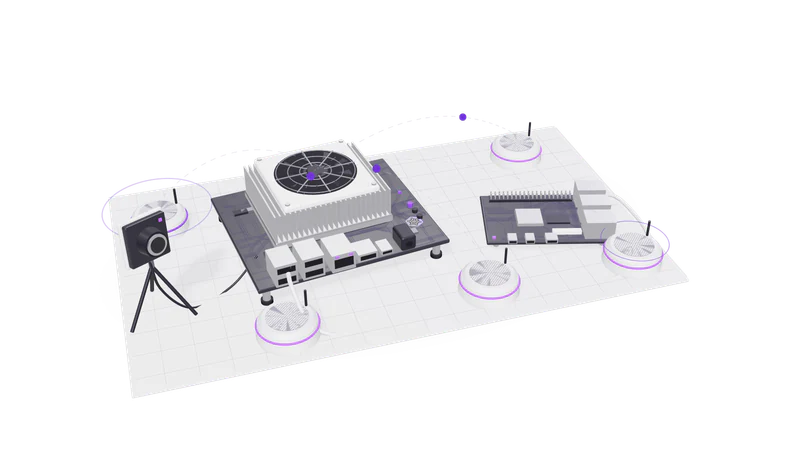
Manufacturing automation here does not mean robots. It means a camera that flags a defect within seconds, a sensor that records every stoppage, and a pipeline that reads supplier invoices and matches them to what actually arrived.
 CyberFreezeDev